Reviewing 1865 Juneteenth Black History Month Svg for Real Embroidery
As a designer who spends hours tweaking stitch density and testing thread colors on everything from baby onesies to boutique tote bags, I approach every new file with a mix of excitement and skepticism. When I first encountered the 1865 Juneteenth Black History Month Svg, my immediate thought wasn't about the file size or format, but rather how it would translate from a digital screen to the fabric under a needle. In the world of handmade goods, especially those celebrating heritage and identity, the difference between a good design and a great one often comes down to execution. This review looks past the marketing fluff to examine how this specific collection performs in actual embroidery projects.
The First Impression: Mood and Visual Personality
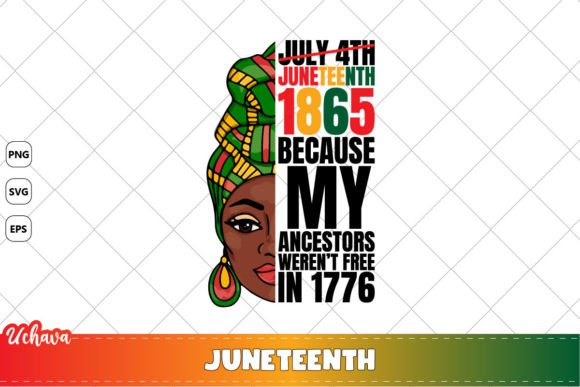
The moment you open the files, the visual personality of the 1865 Juneteenth Black History Month Svg stands out. It isn't just a generic holiday graphic; it carries a weight of history and empowerment that is immediately visible in the layout. The inclusion of powerful messages like "I Am Black History" alongside vibrant illustrations of Afro girls and Black women creates a dynamic balance between typography and imagery. For an embroidery designer, this is crucial because text and images need to coexist without fighting for space when converted into stitches.
The mood created by these designs is celebratory yet respectful. It feels right at home on custom apparel meant for community gatherings, educational events, or personal pride days. Unlike some clip art that feels flat or overused, this collection has a sense of movement and depth that suggests it will hold up well against the rigors of stitching. Whether you are creating a statement piece for a craft fair or a subtle accent for a kitchen towel, the design assets provide a strong foundation for a finished product that commands attention.
Real-World Application: From Screen to Stitch
I recently tested a similar concept from this category on a custom embroidered tote bag intended as a gift for a local boutique owner. The goal was to create a durable, high-quality item that could be sold as part of a small shop product line. Using the 1865 Juneteenth Black History Month Svg as a base, I had to consider how the various elements would behave on canvas.
For a project like a tote bag, which sees frequent handling and washing, the stability of the design is paramount. The bold lines of the text and the distinct shapes of the figures allow for excellent stitch definition. When I ran a test on scrap fabric, the design translated beautifully into satin stitch for the outlines and fill stitch for the larger areas. The result was a crisp image that maintained its integrity even after multiple washes. This level of clarity is exactly what Etsy sellers and commercial embroidery businesses need to maintain brand consistency and customer trust.
However, not every application is straightforward. If you plan to use this embroidery file on a curved surface like a baseball cap, you must be strategic. The design works best when placed on the front panel where the curvature is manageable. Attempting to force a complex layout onto the side of a hat can lead to puckering or distortion, especially if the design includes dense stitch areas. Similarly, while this collection is fantastic for sweatshirt embroidery and pillow covers, applying it to thin, stretchy fabrics requires extra care. Without proper stabilizer, the tension of the machine can easily warp the material, ruining the visual appeal of the final product.
Where Caution is Required
Even the most beautiful design assets have limitations, and knowing where to draw the line is what separates a professional from an amateur. There are specific scenarios where the 1865 Juneteenth Black History Month Svg might struggle if not handled correctly.
- Small Hoop Sizes: If you are working on tiny items like baby clothes or detailed patches, check the dimensions carefully. While the design is versatile, extremely small details may become lost or muddy when stitched in a hoop smaller than three inches.
- Textured Fabrics: Heavy textures like chunky knits or boucle can obscure fine details. On such fabrics, the running stitch elements might get swallowed by the weave, making the design look less defined.
- Dense Stitch Areas: Some parts of the illustration may feature high stitch counts. On dark fabric, this can sometimes cause the threads to sink into the weave, reducing contrast. Always test thread color contrast before committing to a full run.
- Frequent Washing: For products like aprons or tea towels that undergo heavy laundering, ensure you are using the correct stabilizer and thread type to prevent fraying or loosening of the stitches over time.
Impact on Product Value and Customer Perception
In the handmade market, the quality of the embroidery directly influences the perceived value of the item. A poorly executed design can make a $30 tote bag feel cheap, whereas a clean, well-stitched piece elevates the entire brand. The 1865 Juneteenth Black History Month Svg offers a level of professionalism that helps justify premium pricing. When customers see a clear, sharp design featuring empowering imagery, they are more likely to engage with the brand and view the item as a meaningful purchase rather than just a commodity.
This is particularly true for personalized gifts and holiday embroidery projects. A design that resonates culturally and visually becomes a conversation starter. Whether it is a nursery decor piece for a new parent or a commemorative patch for a community event, the emotional connection drives sales. For creative entrepreneurs and digital product sellers, having a library of designs that convey such strong sentiment is invaluable for building a loyal customer base.
Practical Designer Notes for Success
Before you start your next embroidery project, there are a few non-negotiable steps to ensure success. First, always test the design on scrap fabric. This simple step allows you to judge the stitch density and adjust your settings before touching your final material. Second, inspect the small details closely. Are the corners too sharp? Is the lettering legible? Sometimes, converting a vector to a digitized file can introduce artifacts that only show up under the needle.
You should also confirm whether the design works for both personal and commercial projects. Licensing terms vary, and selling finished items made from a design without the proper rights can lead to legal issues. Additionally, compare light and dark fabric backgrounds in your mockups. A design that pops on white might disappear on black unless you choose the right thread colors. Finally, verify the hoop size requirements. If the design exceeds your machine's capabilities, you may need to split the file or reposition the placement area.
Ultimately, the 1865 Juneteenth Black History Month Svg is a robust tool for designers looking to add meaningful content to their portfolio. It bridges the gap between digital graphics and tactile crafts, offering a versatile solution for everything from custom apparel to boutique branding. By approaching it with practical judgment and technical care, you can turn a simple SVG into a standout finished product that honors the occasion and delights your customers.