Jellyfish Mandala Drawing 155 Review
As a designer who spends more time than I care to admit staring at stitch charts and troubleshooting tension issues, I approach every new digital asset with a mix of curiosity and skepticism. When I first pulled up Jellyfish Mandala Drawing 155, my initial reaction wasn't just about the aesthetic; it was about feasibility. Would this hold up in a real-world embroidery project? Could it translate from a flat screen into a tactile, high-value handmade product? After running through several mental mockups and considering various end-use scenarios, here is my practical breakdown of how this design performs for crafters, small business owners, and serious hobbyists.
The First Impression: Mood and Visual Personality
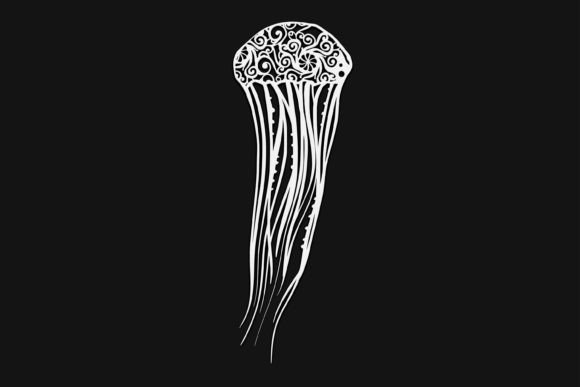
The name says it all, but the visual execution carries a specific weight. This isn't just a simple silhouette of a jellyfish; the mandala structure introduces a layer of geometric complexity that suggests intentionality and calm. The mood is serene, slightly mystical, and highly decorative. For an illustrations category item, it bridges the gap between organic flow and rigid symmetry, which is a tricky balance to strike in any medium, let alone thread.
From a branding perspective, this design feels appropriate for businesses that value mindfulness, nature, or bohemian aesthetics. It has a "quiet luxury" vibe—it doesn't shout for attention, but it demands a second look once stitched. The layout naturally draws the eye inward, making it an excellent candidate for central placement on garments or home goods where you want the focus to be entirely on the artistry rather than a slogan or logo.
Real-World Application: Where Does It Fit?
I often think about where a design lives before I even think about how it stitches. Jellyfish Mandala Drawing 155 shines brightest when applied to products that benefit from its intricate, meditative quality. Here are a few scenarios where I see this design adding significant value:
- Custom Apparel & Sweatshirts: Placed on the back of a heavyweight cotton sweatshirt or centered on the chest of a relaxed-fit t-shirt, this design offers a sophisticated alternative to typical graphic tees. The mandala pattern works beautifully as a standalone statement piece, particularly in neutral tones like cream, sage, or dusty rose.
- Home Decor & Textiles: This is perhaps the strongest use case. Imagine this embroidered on a linen pillow cover for a nursery or a master bedroom. The symmetry complements the structured nature of bedding and wall hangings. It also translates well to kitchen towels or tea towels, adding a touch of elegance to everyday items.
- Baby & Nursery Items: There is something inherently soothing about mandalas. Using this on a baby blanket, muslin swaddle, or crib sheet creates a personalized gift that parents will appreciate for its calming visual theme. It avoids the clutter of cartoonish designs, offering a timeless look that grows with the child.
- Accessories & Patches: For the craft business owner, this design is perfect for creating embroidered patches for denim jackets or backpacks. The self-contained circular nature of the mandala makes it easy to digitize and finish without worrying about awkward edges spilling out of the hoop.
Technical Considerations and Stitch Performance
This is where the rubber meets the road. As an experienced reviewer, I have to point out that not all machine embroidery designs are created equal, and complex line art can sometimes get lost in translation. Because Jellyfish Mandala Drawing 155 relies on fine lines and detailed intersections, stitch density becomes a critical factor.
If you are planning to use this as a fill stitch heavy design, you need to ensure your machine can handle the density without puckering the fabric. Conversely, if it is primarily composed of satin stitch outlines and running stitch details, the clarity of those lines will determine the final success. I recommend testing the design on scrap fabric first to inspect how the small details render. Tiny loops or thin tentacles can easily merge together if the thread color lacks contrast against the base fabric.
Another crucial aspect is the choice of thread colors. A solid black version, as mentioned in the file description, provides a stark, modern look that works exceptionally well on light fabrics. However, for a softer aesthetic, consider using variegated threads or metallic accents to highlight the radial symmetry of the mandala. The interplay of light and shadow in the stitching will bring the jellyfish "tentacles" to life, giving the finished product a dynamic, three-dimensional feel.
Where to Use With Caution
While versatile, there are certain environments where this design might struggle. Avoid placing intricate mandala patterns on highly textured fabrics like chunky wools or bouclé, as the texture will obscure the fine details. Similarly, stretchy knits require careful stabilization; if the fabric stretches during hooping, the perfect symmetry of the mandala will distort, leading to a frustrating result.
Small hoop sizes are another potential pitfall. If the design is scaled down too much, the individual elements may become indistinguishable blobs of thread. Ensure you have adequate space within your chosen hoop size to allow the design to breathe. Also, be mindful of curved surfaces like caps; while possible, maintaining the integrity of the circular shape on a dome requires advanced digitizing skills and precise placement.
Impact on Product Value and Customer Trust
In the world of Etsy sellers and small shop products, presentation is everything. A well-executed embroidery design signals professionalism and care. When a customer sees Jellyfish Mandala Drawing 155 stitched cleanly on a high-quality tote bag or apron, they perceive higher value. The complexity of the design suggests that time and skill were invested, which justifies a premium price point.
Furthermore, the unique nature of this design helps with brand recognition. Unlike generic clipart, a custom or specialized digital embroidery file helps differentiate your offerings. Customers are drawn to items that feel personal and artistic. By choosing a design with such distinct visual personality, you are tapping into the desire for uniqueness that drives many handmade purchases.
Final Designer Notes
Before you add this to your production queue, keep these practical tips in mind:
- Test Before You Sell: Always run a test stitch-out on the actual fabric you plan to use. Check for thread breaks, tension issues, and detail clarity.
- Stabilizer Selection: Depending on the fabric weight, choose the appropriate stabilizer (cut-away for knits, tear-away for wovens) to prevent shifting.
- Licensing Check: Confirm the commercial usage rights. While the files provide SVG, PNG, and DXF versions, ensure you are authorized to sell finished goods made from them.
- Mockup Testing: Create printable mockups to visualize how the design looks in different contexts before committing to physical production.
Jellyfish Mandala Drawing 155 is a strong addition to any designer's library. It offers a blend of artistic flair and structural clarity that, when executed correctly, results in a stunning embroidery project. Whether you are creating a one-off personalized gift or scaling up for a boutique collection, this design provides a solid foundation for beautiful, marketable work.