Cuba Shield Flag: A Designer's Real-World Review
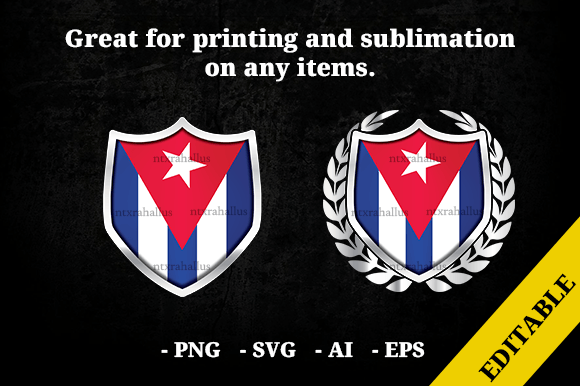
When I first opened the Cuba Shield Flag file, my immediate reaction wasn't about the colors or the specific iconography, but rather the sheer potential of that shield shape. As someone who has spent years stitching out designs for clients and testing products for my own small shop, I know that a great design starts with a strong silhouette. This Graphics category entry feels like it was built to be more than just a flat image; it demands to be stitched into existence.
The bright design is undeniably eye-catching, but in the world of machine embroidery, brightness can sometimes translate to visual noise if the stitch density isn't managed well. My initial assessment suggests that this Cuba Shield Flag is a versatile asset, but its success depends entirely on how you approach the physical application. Whether you are an Etsy seller looking to expand your inventory or a crafter making a personalized gift for a family member, understanding the nuances of this design before you hit "start" on your machine is crucial.
First Impressions and Visual Personality
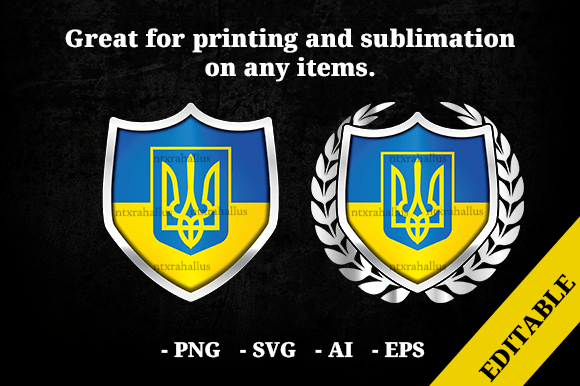
The shield motif immediately evokes a sense of heritage and pride. It feels substantial, grounded, and ready to anchor a larger composition. Unlike a simple flag wave which might require complex digitizing to handle movement, a shield offers a stable canvas. The layout appears balanced, allowing for clear definition even when scaled down. For a designer, this means less worry about losing detail in the corners or having the threads bunch up in the center.
I imagine this design fitting perfectly on a custom embroidered tote bag for a boutique travel store or perhaps as the centerpiece of a baby onesie for a family celebrating their Cuban roots. The visual personality is bold yet respectful, making it suitable for both casual wear and more formal commemorative items. It strikes a balance between patriotic symbol and stylish graphic, which is exactly what modern consumers look for in handmade products.
Real-World Application: From Screen to Stitch
Let's talk about a real scenario. Imagine you are preparing for a holiday craft fair. You want to create a line of kitchen towels and aprons featuring regional pride. You pull up the Cuba Shield Flag file. The description notes it is great for printing and sublimation, but here we are focusing on embroidery. How does it translate?
On a heavy-duty canvas tote bag, this design would shine. The structure of the shield complements the sturdy fabric, and the embroidery adds a tactile dimension that print cannot match. Customers love touching high-quality embroidery, and a shield shape allows for a generous satin stitch border that defines the edges beautifully. Similarly, on a sweatshirt or hoodie, the design could serve as a chest logo or a large back print. The stability of the shield shape ensures it won't distort when placed on the curved surface of a garment.
However, the versatility extends beyond apparel. I see this working exceptionally well on baby clothes. The rounded corners of the shield (if present in the vector) are gentle against a baby's skin, and the bright colors pop against soft pastels often used in nursery decor. A pillow cover embroidered with this flag could become a cherished heirloom piece, adding a touch of cultural identity to a living room. For commercial embroidery projects, this design offers a professional look that elevates the perceived value of the finished product, encouraging repeat business from satisfied customers.
Where Caution Is Required
While the design is robust, no single file is perfect for every situation. There are specific areas where you must exercise caution to ensure the Cuba Shield Flag looks as good in person as it does on the screen. First, consider the hoop size. If you attempt to stitch this on a very small hoop, such as one intended for a cap visor or a tiny patch, you risk losing the integrity of the design. Complex details might get lost in the stitching process if the area is too cramped.
Fabric texture plays a massive role here. On textured fabrics like terry cloth or thick fleece, the needle penetration might struggle, leading to uneven stitches. Thin or stretchy fabrics require extra care; without the proper stabilizer, the tension of the embroidery could cause the fabric to pucker, ruining the clean lines of the shield. Dark fabrics present another challenge. While the design is bright, the contrast relies heavily on thread selection. If you choose a dark background, you must ensure your thread colors have enough lightness to stand out, otherwise, the design will blend in rather than pop.
Dense stitch areas can also be problematic. If the digitization includes large fill sections, the resulting fabric can become stiff and board-like, which is undesirable for items like baby clothes or soft scarves. Additionally, if the design features any tiny lettering or intricate decorative accents within the shield, these elements may not hold up well after frequent washing. Always inspect small details closely before committing to a full production run.
Impact on Brand and Customer Trust
In the competitive world of handmade goods, the quality of your embroidery speaks volumes about your brand. A poorly executed design can make a handmade product feel cheap, while a well-stitched piece builds trust and loyalty. The Cuba Shield Flag, when executed correctly, signals professionalism. It shows that you care about the finish and the durability of your items.
For an Etsy seller or a small shop owner, this design can be a powerful tool for engagement. People buy stories, and a shield representing national pride carries an emotional weight. When a customer sees a crisp, clean embroidery job on a personalized gift, they are more likely to leave a positive review and recommend your shop to others. It enhances the giftability of the item, making it a thoughtful choice for weddings, holidays, or birthdays. Consistency in your design assets helps maintain a cohesive brand identity, ensuring that whether a customer buys a tote bag or a kitchen towel, they recognize the same high standard of workmanship.
Practical Notes for the Embroidery Designer
Before you start stitching, there are several technical steps you should take to guarantee success. First, always test the design on scrap fabric. This is non-negotiable. Use the same type of fabric and stabilizer you plan to use for the final project to see how the Cuba Shield Flag behaves under real conditions. Check the thread color contrast by laying out your spools next to the digital mockup; sometimes colors look different on screen than they do in thread form.
Review the stitch density carefully. If the design feels too dense, it might need adjustment to prevent puckering or stiffness. Confirm that your hoop size accommodates the entire design without cutting off any critical elements. Inspect small details in your digitizing software to ensure they are large enough to be stitched clearly. It is also wise to test the design in black and white mockups to verify that the shapes remain distinct without relying solely on color.
Don't forget to check the licensing terms. Even though the product description mentions PNG files for printing, using a digital file for commercial embroidery requires explicit permission. Confirm whether you are allowed to sell finished items made from this design. If you are unsure, reach out to the creator. Finally, compare the design on both light and dark fabric backgrounds to ensure versatility. By taking these practical steps, you transform a simple digital file into a successful embroidery project that delights your customers and grows your business.
Ultimately, the Cuba Shield Flag is a promising asset for any creative entrepreneur. With the right preparation and attention to detail, it can become a staple in your collection of design assets, bringing vibrant culture and quality craftsmanship to your handmade products.